
Heather Mills strikes rescue deal for VBites

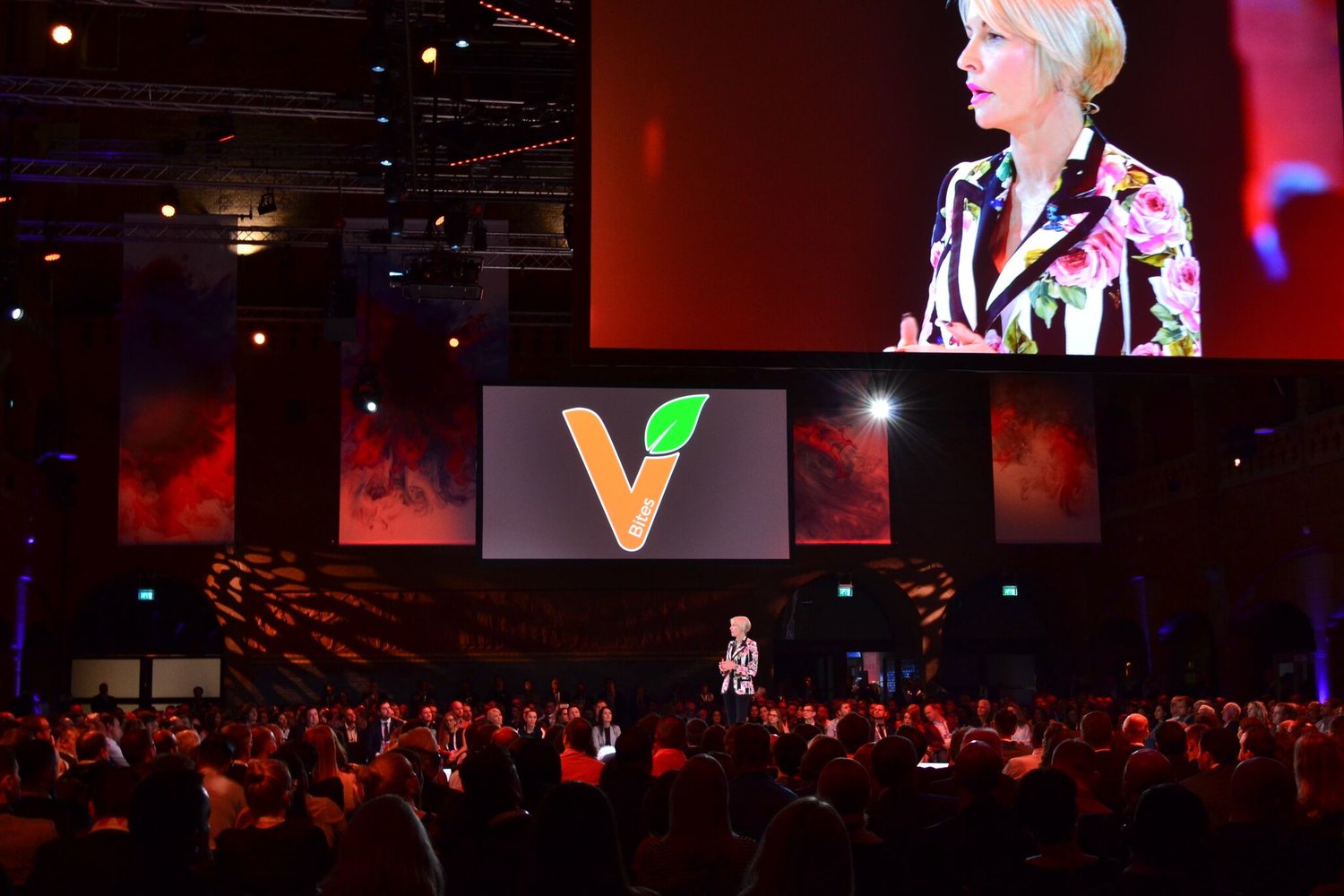
VBites is turning over a new leaf 🍃
I was devastated when VBites was forced, unnecessarily with 3 days notice, into administration. It was agreed between both shareholders that we would always give each other three months notice, knowing the figures 6 months ahead set for the company, so I was doubly shocked that it went straight into administration, even though I gave viable solutions. But I strongly believed that the next-generation technology that VBites had developed and the work it had done still had a huge role to play in assisting the transition of the food market to a healthier and more sustainable place. I was also not happy being told that many of my loyal and hard-working staff were losing their jobs.
I was cut out of everything.
This is why I have chosen to resurrect the company myself, at great personal expense, and take control of the operations personally, moving back to the North-East to ensure that we are still able to make a positive contribution to the future of our global food economy. We have already developed a version 2.0 of plant-based food, soon to launch, that we believe will be a market mover and will help all of those people attempting to make a flexitarian or plant-based/Vegan transition achieve their goals more easily, both with variety and deliciousness.
Watch this space...
Heather Mills launches innovative V-Omega3 Algal Oil
A vital component of a healthy diet most people think Omega-3 Oil comes from fish. But the truth is it comes from the algae that fish eat.
Omega-3 oil from fish is no longer sustainable. Overfishing and fish-farming have a seriously detrimental effect on the marine environment. And, on top of that, research has shown that the vast majority of fish caught now contain industrial toxins and pollutants.
Heather and her team have perfected a technique that harvests nutrient-rich (plant-based) algae to create a healthier, marine-friendly product. Our unique process uses biomass grown under controlled manufacturing conditions and naturally occurring micro-organisms instead of fish or other animals.
See V-Omega3.com for more details and to buy yours.
For every bottle of V-Omega3 sold we will be making a £1 donation to Music For Mental Wealth.

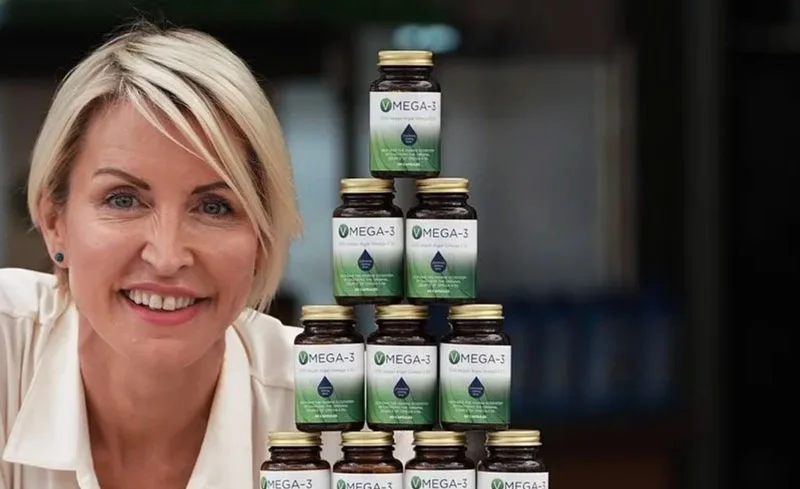
Heather Mills explains why her latest innovative product V-Omega3 Algal Oil is essential for both you and the planet.
Heather Mills launches 100% vegan make-up brand ‘Be At One’

Heather Mills is proud to launch her latest innovation. A new make up brand called Be at One. Working with friend and business partner Melina Thacker together they have developed and entirely vegan high-quality cosmetics range that includes lipsticks, concealer, BB cream and eye liners. Made in Italy it’s easy to apply, smells like Papaya and stays put all day long! Find out more at be-at-one.com
Heather Mills NGN statement Monday 8th July 2019
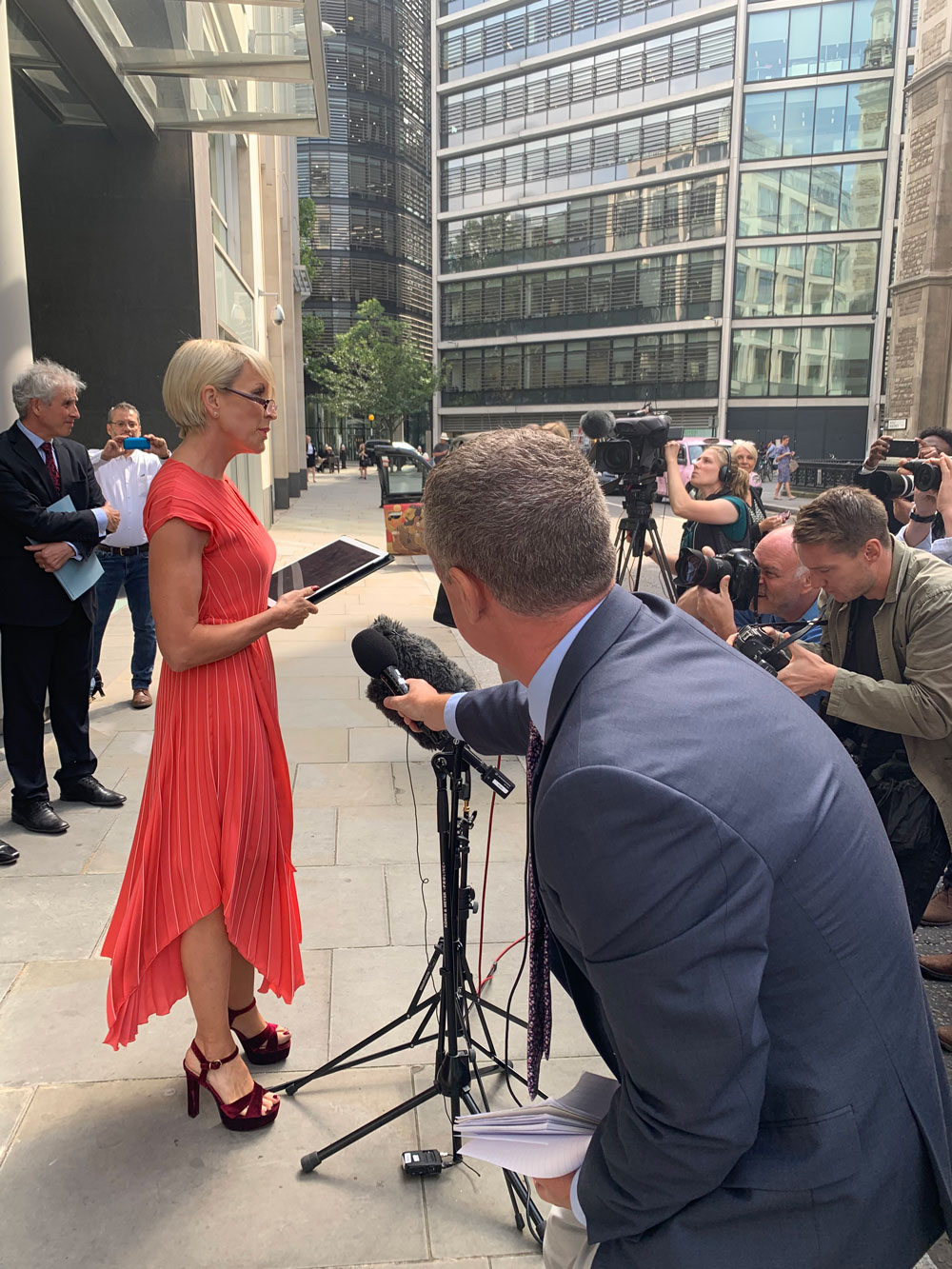
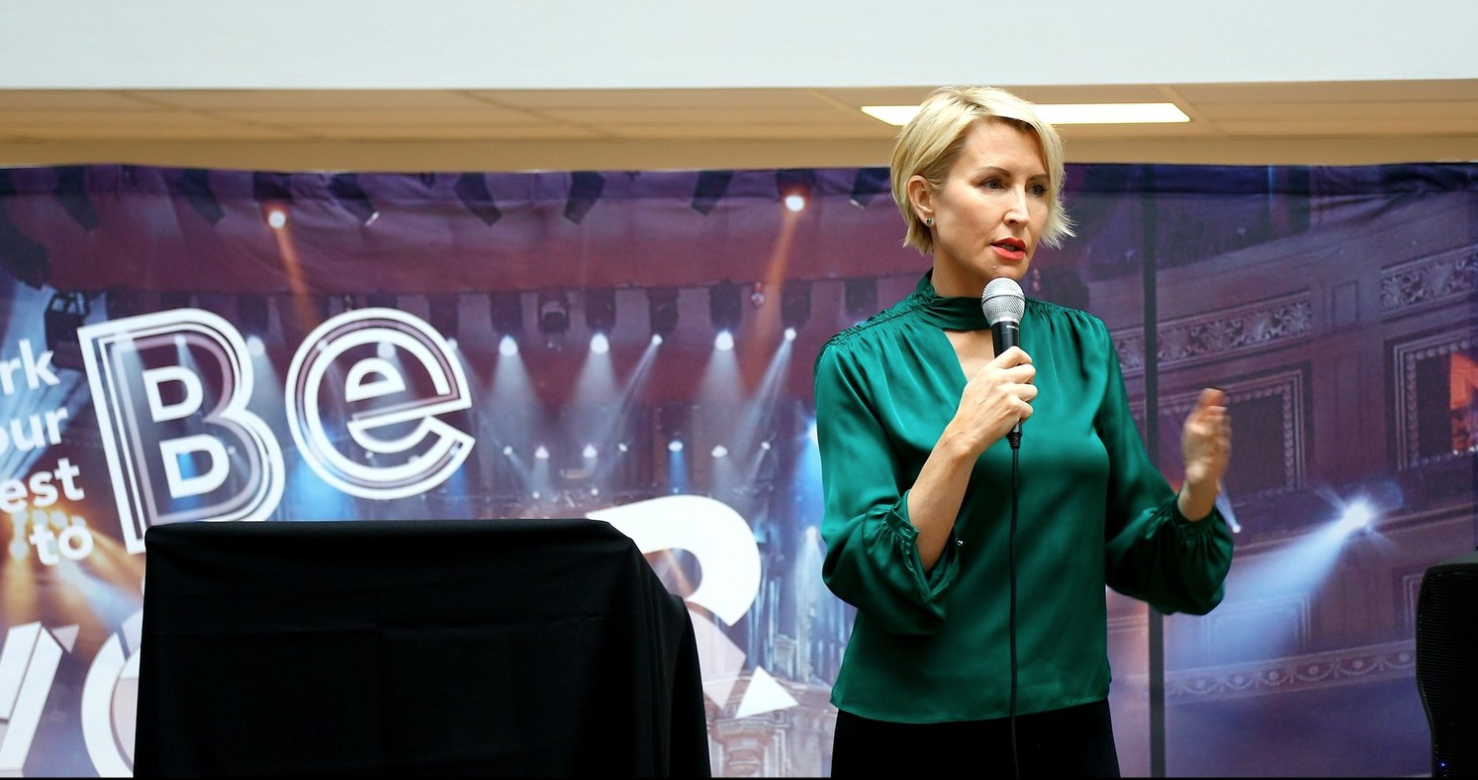
Heather Mills speaking in London.
I’d like to thank you all for taking the time to be here today – which I am delighted to say is an historic one.
The feeling I have is one of joy and vindication, as I announce that, after over a decade of us fighting both on behalf of myself, and for 90 other innocent victims as part of a class action legal suit, we have been awarded the highest media libel settlement in British legal history and, with it, a complete and unmitigated apology for the targeted smear campaign waged against us by Newsgroup Newspapers - including hacking, invasion of privacy, and the publication of countless falsehoods and lies between 1999 and 2010.
My motivation to win this decade long fight stemmed from a desire to obtain justice, not only for my family, my charities and myself, but for the thousands of innocent members of the public who, like me, have suffered similar ignominious, criminal treatment at the hands of one of the world’s most powerful media groups.
What many people do not realise is that News Group newspapers, owners of the now defunct News of the world and the current Sun Newspaper, through the destruction of my public reputation, have also indirectly destroyed 1000’s of other innocent lives - through the profoundly negative impact that this had on my landmine and animal charities and our ability to raise funds.
This criminal activity and collusion, the evidence for which is extensive, has had an extremely detrimental impact on my personal life, and that of my family, but that impact is of relative insignificance when compared to the thousands of would-be beneficiaries and victims who have unfairly suffered as a result of the impact on my charities and foundations. Today I would like to take the opportunity to place this in context, relay the true story, and hope that this serves as a wake-up call and a symbolic vindication for all those who have suffered similar treatment.
Long before I was in the public eye, and long before I became an amputee I was working as a volunteer in war-torn former Yugoslavia. I used to drive trucks full of prosthetic limbs around the local villages – delivering them to the amputee victims of the local conflict and in some way trying to improve their lives – in the most appalling of circumstances. This spawned a vocational calling – to support victims of similar atrocities in any way that I could – and I have been dedicated to this cause for the last 30 years. In 2001 I co-founded the charity ‘Adopt A Minefield’ in partnership with the United Nations Association which went on to become the biggest landmine clearing and prosthetic assistance charity in the world.
It is the impact that the criminal activities of News Group had on organisations like this, that I regret the most. As my reputation and credibility were systematically destroyed through collusion between News Group and those previously close to me, the work the charity was doing was severely inhibited. The negative press forced my exit from the organisation and the impact on its ability to fundraise ultimately led to it closing down. Before it’s closure in 2007 together with my team, we had cleared over 21,000,000 m² of mine-filled land and assisted over 400,000 amputees and people affected in war-torn countries. I can only imagine how much more we would have been able to do had we been allowed to continue our work.
Sadly we still live in a society where people believe what they read and the domino effect of people repeating these lies verbatim ricochets throughout society and, in this case, resulted in a far-reaching negative impact.
Despite contributing much of my own personal wealth to making a difference to this world, including the donation of this settlement to bring much-needed jobs to the North East.
Since the decade long attack, and people believing the lies, I have not since been able to raise outside charitable funds that we used to raise previously.
Historically, my relationship with the media has not always been this toxic.
Soon after I returned from the then Yugoslavia in 1993, I suffered a well-publicised accident – being hit by a police motorcycle which resulted in the loss of my left leg, a crushed pelvis and a punctured lung, and, ironically, in my becoming an amputee – like those I had been seeking to help.
At this time the media rallied around me, put me on a pedestal, at the age of 25, as the model that overcame adversity, which in turn put me in a position of responsibility, which I accepted, in order to further my work for my charities – including committing myself to producing state of the art prosthetic limbs – enabling amputees present and future to live more mobile lives, to dance, run and even ski and perform at the Paralympics.
All of this changed in 1999 when I fell in love with a man (who chased me for 6 months, incidentally) whom I eventually married and had a child with, who happened to be a pop star.
Around this time I refused to enter into a commercial relationship with a powerful PR mogul who approached me, and was warned of the direct impact this would have on my public ‘reputation’ when I refused.
The juxtaposition of my treatment in the media before and after this time was stark. After my separation in 2006, the hounding by the media was incessant. For a long time I was a prisoner in my own home as reporters camped at the end of my road for 2 years.
On several occasions, I was physically assaulted, on one occasion, kicked on the ground, chased resulting in a car crash and on another forcibly pinned against a wall as paparazzi attempted to capture the right shots, presumably under the instruction of their editors.
This was made exponentially more painful as I also lived in fear for the safety of my child, when the police informed me that there were serious death threats against us.
Like any mother, I was desperate to give our child a normal upbringing – away from the scrutiny and aggressive pursuit of the media – the full context of the media intrusion on every street corner was impossible for any child to understand.
For years we had to go out separately and could never enjoy normal moments in the park together without being hounded which ultimately resulted in the end of any public outings together.
I would far rather that these proceedings had culminated in a criminal prosecution, given the vast extent of irrefutable evidence, however, due to the exploitable idiosyncrasies of our legal system, this was a practical impossibility.
A civil case and settlement is the best result that we could hope for and although this goes little way to mitigating the extensive damage caused, it does serve an important purpose – to shine a spotlight on the malpractice and scurrilous, vindictive behaviour that has been rife for so long in one of this country’s most powerful media institutions.
To protect myself and my family I have kept the criminal evidence that we would have submitted as part of a criminal prosecution should we ever have recourse to use it in the future.
I would like to personally thank Evan Harris, Bella Richie, Hugh Grant and the rest of the ‘hacked off’ team for their persistent and continuing work to expose the criminality of Phone Hacking and pushing for the much-needed Leveson inquiry part 2 that was promised to the British people to protect the vulnerable.
The term ‘fake news’ is frequently quoted these days in the world’s media – with differing connotations and implications. Sadly much of the ‘news’ still consumed on a daily basis from certain tabloid newspapers is exactly that – FAKE.
And every time a copy of a News Group publication is purchased, we are lining the pockets of the perpetrators of these lies. I would urge everyone when you pick up your daily paper today to consider the integrity and motive of the publisher before believing what you read.
Historically, our institutions have been geared towards the protection of the rich and the powerful, enabling them to control and abuse those without a public voice...
I hope you agree, this has to stop.
I believe we are all here to make a difference and make an impact in our own way and the least we can expect is a fair and unbiased platform from which to do so...
Thank you
Welcome to my site,
heathermills.org
Each of us has something unique about ourselves that create the person that we are. I have faced many challenges during my life, proving that adversity can be overcome. It has given me the strength to deal with many situations.
We all, at some point, are placed in a position that we have to push ourselves, campaign, be an ambassador, an activist, be supportive to family, friends or kind to a person in need.
I hope that when you visit my site it inspires you to know that you too can make a difference! A difference to bring change, not only in yourself but the world around you.
Life is about not being afraid to upset the status quo and, regardless of circumstance, that everyone can have the capacity to carry on with dogged commitment.
With love


Push Yourself! You never know what you could achieve, maybe even a world record... read how Heather pushed herself and became a world record holder.
Push Yourself!

Campaign for what you believe in! Be an Ambassador. iI won't change if you do nothing. Heather has campaigned on numerous topics for over 25 years and has achieved great success. Read more about Heather's campaigns.
Campaign for what you believe in!

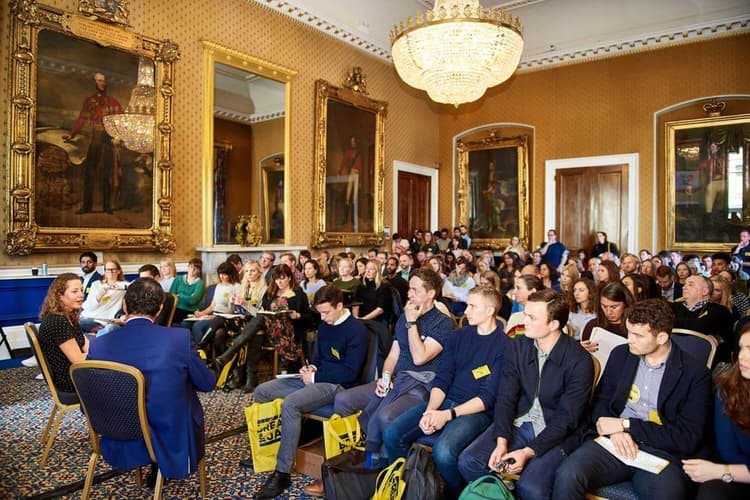
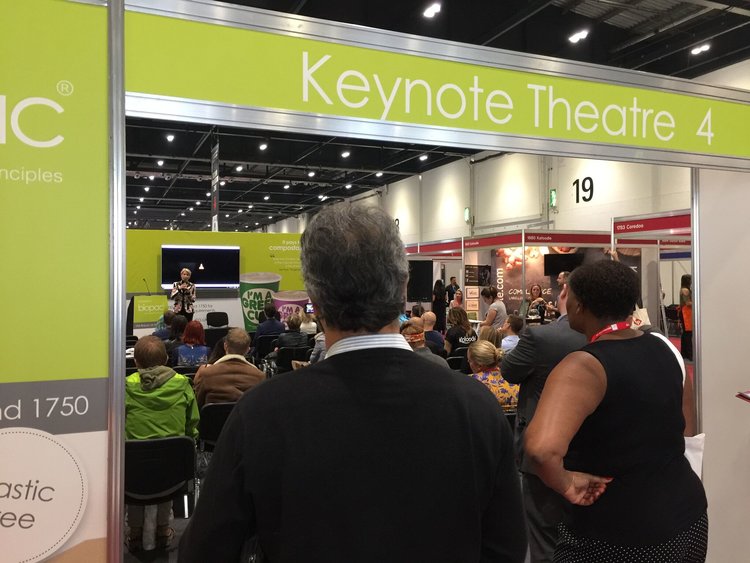
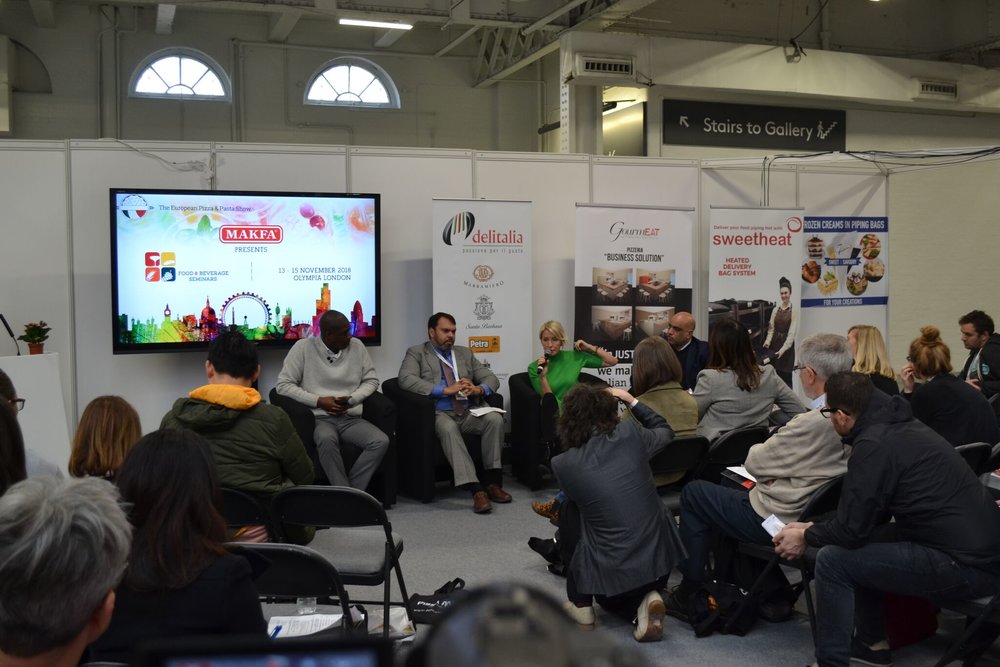
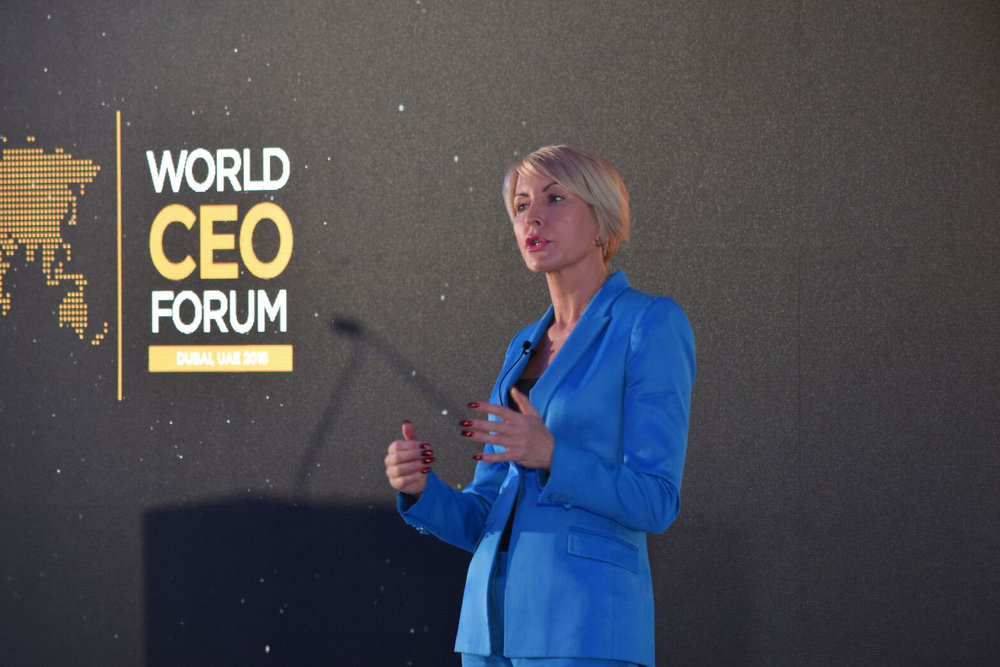
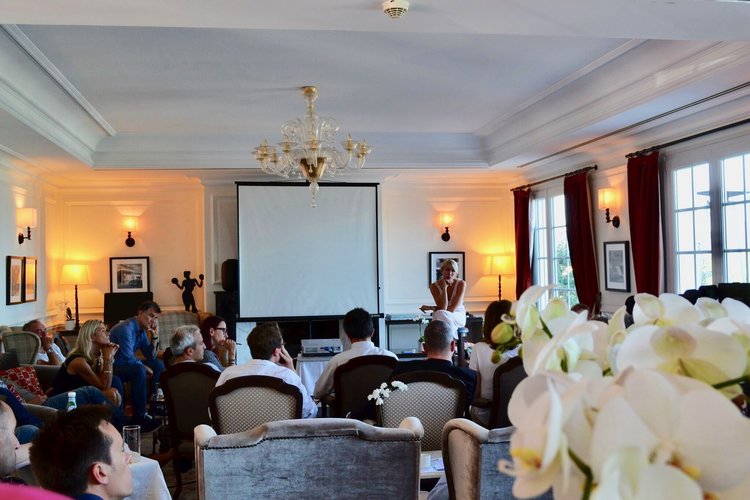
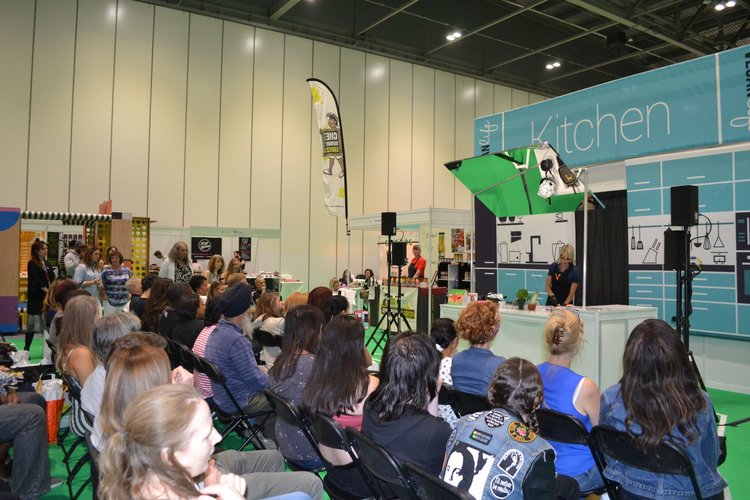
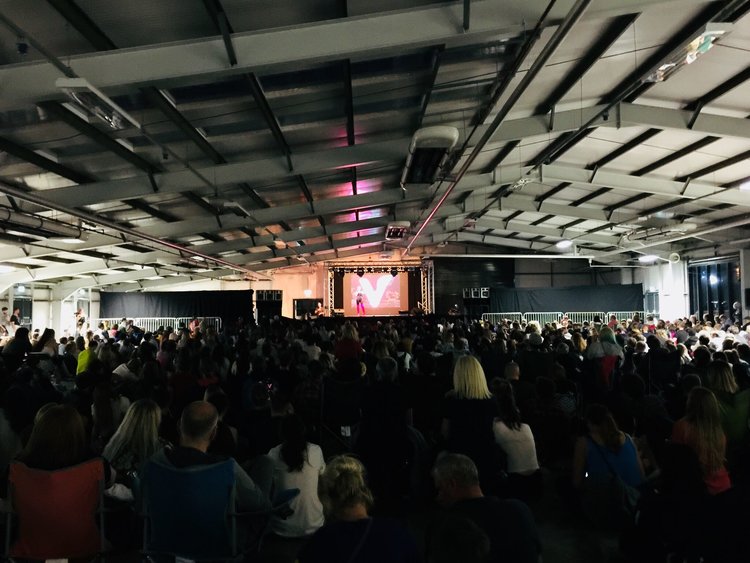
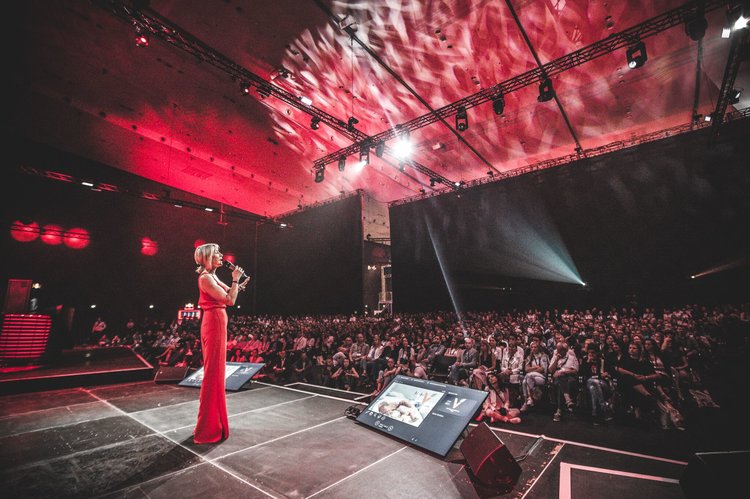
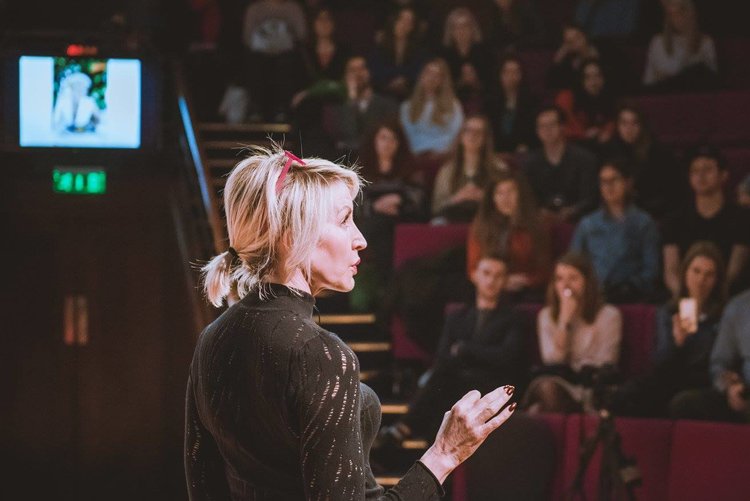
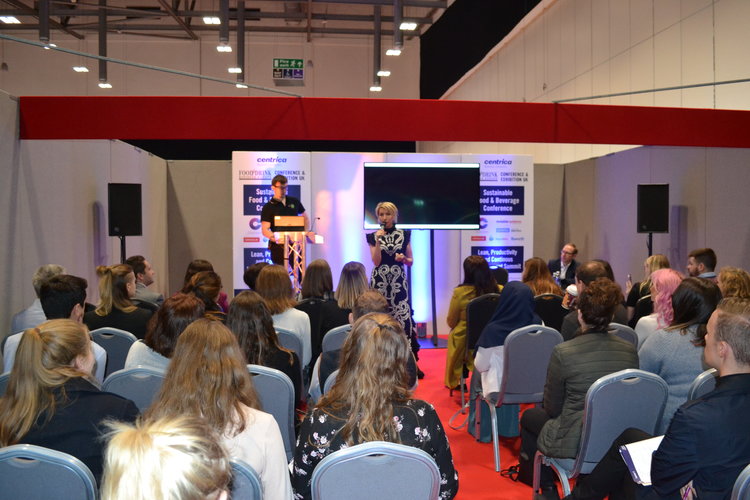
Inspire! Heather delivers many motivational & inspirational talks at a number of public speaking and after dinner events each year.
Inspire & Motivate

Show you care! Lend your support and lets help those in need. Heather supports a number of charities each year, find out more about the charities Heather's helped.
Show you care!
Public Speaking
Inspiration to take on your own challenges
I've pushed and pushed to overcome all the adversity I've been through in my life, and today I stand tall knowing I've proven to myself that if you try, campaign and champion your cause, you can achieve the things you never thought possible. Take a look at the video below and see for yourself what you can achieve when you put your mind to it. I hope this short video inspires you to make some changes in your life, to push, champion, campaign and above all show you care and lend your support to the things you believe in.
5 world records
Heather Mills - Her work 1993 - Present